Memphis Design: Geometric Shapes for Modern Creative Projects
Understanding the Memphis Design Style and Its Geometric Elements
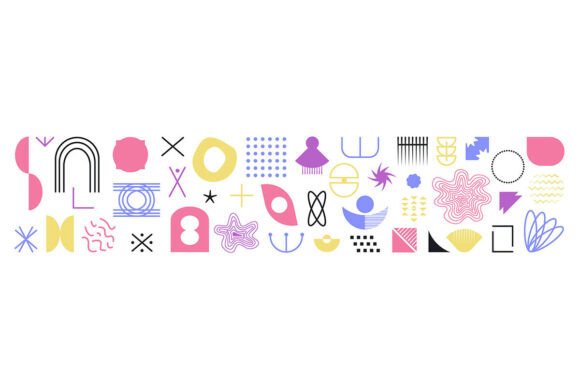
The Memphis Design movement, which originated in the 1980s, is known for its bold use of color, geometric shapes, and playful aesthetic. It emerged as a reaction against the minimalist and functionalist design trends of the time, embracing kitsch, asymmetry, and vivid palettes. A key component of this style is the Memphis Design set of geometric shapes, which includes abstract forms such as spirals, crosses, triangles, circles, and squares. These shapes are often rendered in flat or outline styles and are inspired by both 1950s optimism and 1980s postmodern experimentation.
Designers today are revisiting this style for its visual impact and nostalgic appeal. The Memphis Design geometric collection provides a versatile toolkit for creating modern compositions that stand out while maintaining a retro edge. These elements are typically isolated on white backgrounds, making them easy to integrate into a variety of design contexts.
Why Designers Are Turning to Memphis-Inspired Geometric Sets
Several factors contribute to the resurgence of interest in the Memphis design collection of geometric and brutalist elements. One of the primary reasons is the growing demand for unique visual identities in branding and web design. As digital spaces become increasingly saturated, designers are seeking ways to differentiate their work. The Memphis aesthetic offers a fresh, eye-catching alternative that can elevate a project from ordinary to memorable.
Another draw is the flexibility of the Memphis Design geometric shapes. Whether used sparingly as accents or combined into complex patterns, these elements can adapt to various creative needs. Their flat and outline styles make them compatible with modern design trends, while their vibrant color schemes—often featuring pink, yellow, blue, and violet—add energy and warmth.
Key Benefits of Using Memphis Design Geometric Elements
Integrating the Memphis Design set of geometric shapes into a project can offer several practical advantages:
- Visual Impact: The bold colors and irregular forms naturally draw attention, making them ideal for marketing materials, posters, and digital banners.
- Versatility: These shapes can be layered, scaled, and recolored to fit different themes and design systems without losing their distinct character.
- Retro Appeal: For brands or projects aiming to evoke nostalgia, the Memphis style offers an authentic link to the aesthetics of the 1950s and 1980s.
- Easy Integration: Since these shapes are often provided on white backgrounds, they can be easily imported into design software and layered over other visuals without requiring extensive editing.
Tradeoffs and Considerations When Using Memphis Design Shapes
While the Memphis Design geometric collection has many strengths, it may not be suitable for every project. Designers should consider the following tradeoffs:
- Overuse Risk: Because of their strong visual presence, Memphis-style elements can quickly dominate a composition if not balanced with negative space or simpler components.
- Brand Alignment: The playful and unconventional nature of the style may not align with brands that emphasize professionalism, minimalism, or traditional aesthetics.
- Context Sensitivity: While the retro vibe is appealing in many creative fields, it may feel out of place in more formal or technical industries such as finance or legal services.
When Memphis Design Geometric Shapes Are a Strong Fit
The Memphis Design set of geometric shapes excels in environments where visual creativity and brand distinctiveness are priorities. It is particularly effective in the following scenarios:
- Modern Graphic Design: From editorial layouts to social media visuals, these shapes help create dynamic and engaging compositions.
- Web and UI Design: Used as background elements or interactive components, they can enhance the user experience without overwhelming the interface.
- Packaging Design: The bold, colorful nature of Memphis shapes makes them ideal for product packaging that needs to stand out on shelves or in digital marketplaces.
- Branding and Identity: Brands looking to project a youthful, energetic, or creative image can benefit from incorporating these elements into logos, icons, and promotional materials.
When to Consider Alternatives
Despite its appeal, the Memphis Design geometric collection may not be the best choice for every design challenge. Alternatives should be considered in the following situations:
- Minimalist Branding: If the goal is to convey simplicity, elegance, or sophistication, a more subdued design language may be more appropriate.
- Technical or Corporate Content: In industries where clarity and professionalism are paramount, overly decorative elements can distract from the message.
- Long-Term Branding: While Memphis design is currently trendy, its strong stylistic identity may date more quickly than more neutral design approaches.
Practical Insights for Choosing Memphis Design Elements
For designers or decision-makers evaluating whether to use the Memphis Design set of geometric shapes, the following insights can guide a more informed choice:
- Define the Project’s Tone: Consider whether the playful, bold tone of Memphis design aligns with the overall message and audience of the project.
- Test in Context: Before committing to full-scale implementation, test the shapes within mockups or prototypes to assess their visual balance and effectiveness.
- Evaluate Longevity: Think about whether the design needs to remain relevant for several years or if it's intended for a short-term campaign where trendiness is an asset.
- Balance with Other Elements: Use the Memphis shapes as part of a broader design system, ensuring they are complemented by typography, layout, and imagery that support the overall vision.
Conclusion: Is Memphis Design Right for Your Project?
The Memphis Design set of geometric shapes offers a compelling combination of retro charm and modern versatility. When used thoughtfully, it can enhance visual storytelling, strengthen brand identity, and create engaging user experiences. However, like any design choice, it requires careful consideration of the project’s goals, audience, and context.
Designers who are looking to inject personality, energy, and a touch of nostalgia into their work will find the Memphis Design geometric collection to be a valuable asset. By understanding its strengths and limitations, professionals can make informed decisions about when and how to incorporate these elements to best effect.