Botanical Card Design with Floral Elements
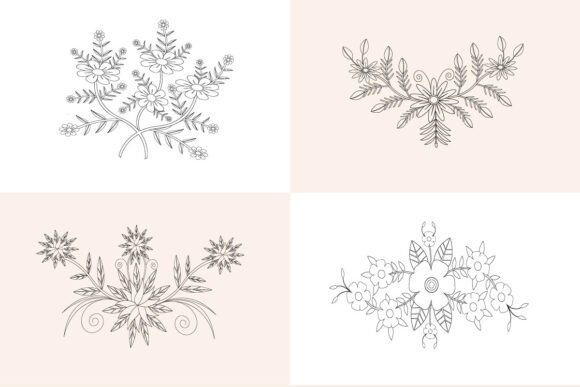
Botanical card design with floral elements blends nature-inspired artistry with functional design, offering a timeless aesthetic for a wide range of creative projects. Whether you're planning a special event, launching a product, or designing a book cover, incorporating botanical motifs can elevate your visual message and connect with audiences on an emotional level.
What Is Botanical Card Design with Floral Elements?
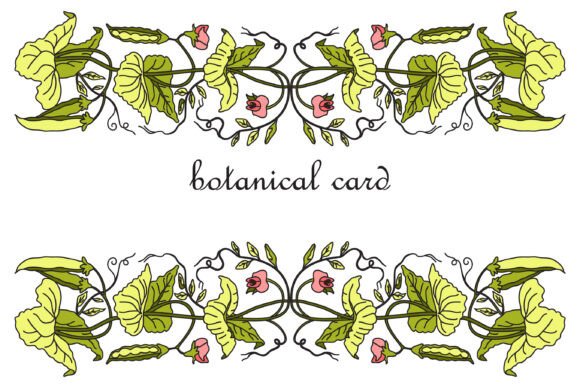
Botanical card design involves the use of plant-based illustrations, such as leaves, flowers, vines, and pods, to create visually appealing layouts. These designs often feature soft lines, organic shapes, and a sense of natural harmony. A hand-drawn green peas plant with leaves and pods isolated on a white background is a perfect example of how simple botanical elements can be both elegant and versatile.
Why Choose Botanical Themes?
Botanical designs evoke a sense of calm, growth, and renewal. They are particularly popular in industries related to wellness, sustainability, and lifestyle. The appeal lies in their ability to convey authenticity and warmth, making them ideal for brands and individuals looking to create a gentle yet memorable impression.
Where Can You Use Botanical Card Designs?
These designs are incredibly flexible and can be applied in many contexts:
- Birthday cards: Add a personal touch with floral borders or illustrations that reflect the season or the recipient's favorite plants.
- Wedding invitations: Botanical elements bring a romantic, natural feel to wedding stationery, especially when paired with soft color palettes.
- Advertising labels: Use botanical motifs on product packaging or promotional materials to highlight organic or eco-friendly values.
- Shop print materials: From business cards to signage, botanical design can help small businesses stand out with a unique visual identity.
- Book covers and fashion prints: Trendy artistic vector illustrations with botanical elements are ideal for creative industries seeking a fresh, modern look.
Designing with Botanical Illustrations
When working with botanical card design, especially with elements like a hand-drawn green peas plant, it's important to maintain a balance between detail and clarity. Too many elements can overwhelm the design, while too few might not convey the intended warmth and natural charm.
Vector illustrations are particularly useful because they allow for scalability without loss of quality. This makes them perfect for both digital and print use. You can easily adjust colors, add text space, or layer elements to suit your specific needs.
Who Can Benefit from Botanical Design?
Anyone looking to create meaningful, visually engaging content can benefit from botanical card design. Whether you're a small business owner crafting custom packaging, a blogger designing social media graphics, or a hobbyist creating personalized greeting cards, botanical themes offer a flexible and beautiful design direction.
How to Start with Botanical Card Design
If you're new to this style, here are a few beginner-friendly tips:
- Start simple: Choose one or two botanical elements, like a leaf or a flower, and build your design around them.
- Use templates: Many design platforms offer botanical-themed templates that you can customize with your own text and colors.
- Experiment with layout: Try placing your botanical illustration in different areas of the card to see what feels most balanced and inviting.
- Pair with clean typography: Let your botanical design shine by using simple, readable fonts that don’t compete with the artwork.
Choosing the Right Botanical Illustration
Not all botanical illustrations are created equal. When selecting artwork, consider the purpose of your design and the emotions you want to convey. A hand-drawn green peas plant with leaves and pods might be perfect for a sustainable food brand or a spring-themed invitation. Look for illustrations that are high-quality, scalable, and adaptable to different color schemes and layouts.
Customizing for Your Brand or Project
One of the greatest advantages of botanical card design is its adaptability. With vector illustrations, you can easily change colors, add shadows or textures, and integrate your brand’s visual elements. This customization helps your design feel personal and aligned with your message.
Common Mistakes to Avoid
Even experienced designers can fall into traps when working with botanical elements. Here are a few to watch out for:
- Overcrowding the design: Leave enough white space to let your botanical illustration breathe and your message stand out.
- Ignoring contrast: Make sure your text is easy to read against your botanical background.
- Using low-quality images: Always opt for high-resolution or vector illustrations to ensure your final product looks professional.
Inspiration and Ideas
Looking for creative ways to use botanical card design? Consider these real-world examples:
- A local bakery using botanical illustrations on custom thank-you cards for customers.
- An online shop printing botanical-themed labels on eco-friendly packaging.
- A wedding planner designing save-the-date cards with hand-drawn floral elements that match the venue’s garden theme.
- An author using a botanical design on the cover of a memoir about nature and personal growth.
Final Thoughts
Botanical card design with floral elements offers a beautiful way to connect with your audience through nature-inspired visuals. Whether you're creating a birthday card, a wedding invitation, or a product label, these designs can help you communicate warmth, authenticity, and creativity. By choosing the right illustration and applying thoughtful design principles, you can craft visuals that stand out and leave a lasting impression.