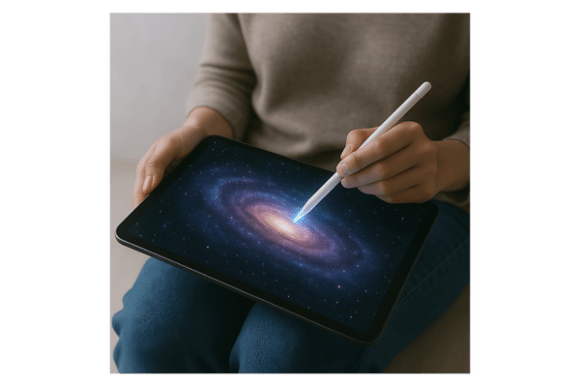
Creating the Galaxy: Digital Art Meets Technology in Cosmic Design
In the evolving world of digital creation, the fusion of imagination and technology has given rise to a new frontier—cosmic-inspired digital art. The concept of "Creating the Galaxy: Digital Art Meets the Universe" is more than a metaphor; it's a tangible movement where artists, designers, and creators use advanced tools like tablets, styluses, and drawing applications to craft intricate depictions of space, stars, and celestial phenomena. This article explores how modern technology empowers artists to visualize the cosmos, the tools and techniques involved, and the broader implications of this artistic evolution across industries.
The Tools That Spark Cosmic Creation
At the heart of this digital renaissance lies the tablet—a powerful canvas that transforms a stylus into a brush of light. Whether it's a high-end device like the Galaxy Tab with its S Pen or a more accessible model, these tools enable artists to draw, sketch, and paint with precision and fluidity. The tactile response of a stylus mimics traditional drawing while offering the flexibility of layers, undo functions, and real-time color blending—features that are indispensable when rendering complex cosmic scenes.
- Galaxy Tablets: Known for their vibrant displays and responsive stylus technology, Galaxy devices offer a seamless experience for creating digital galaxies.
- Drawing Applications: Apps like Adobe Fresco, Procreate, and Krita provide specialized tools for creating celestial textures, nebula effects, and star fields.
- Stylus Pens: Modern styluses come with pressure sensitivity and tilt recognition, allowing for nuanced strokes that mimic real-world brushes and pens.
These tools not only replicate traditional techniques but also enhance them, enabling artists to create surreal, glowing, and dynamic visualizations that would be nearly impossible with physical media alone.
Designing the Infinite: Techniques in Cosmic Digital Art
Creating a galaxy in digital form is more than just a matter of aesthetics—it's a blend of technical skill, artistic intuition, and an understanding of astronomical phenomena. Artists often start with a concept inspired by real images from space telescopes or their own imagination. They then use a combination of brushes, gradients, and layer blending modes to simulate the vastness of the cosmos.
- Layering Nebulae: Using soft airbrushes and gradient maps, artists build up layers of color to mimic the swirling gases of interstellar clouds.
- Adding Stars: Custom brushes or noise filters help generate realistic star fields, varying in brightness and density.
- Light Effects: Glowing pen tools and lens flare overlays enhance the sense of depth and illumination in cosmic scenes.
- Color Theory: Understanding the color of stars and nebulae (based on temperature and composition) adds scientific accuracy to the artistic vision.
Each step in the process is a balance between realism and creativity. The goal is not always to replicate reality but to evoke the wonder and mystery of the universe through visual storytelling.
Applications Beyond the Canvas
While digital galaxy art is often appreciated as a form of personal expression, its applications extend far beyond the studio. From educational tools to commercial design, the integration of cosmic visuals into various fields demonstrates the versatility and impact of this art form.
Education and Science Communication
Visualizing the cosmos helps educators and researchers explain complex astronomical concepts. Digital art can illustrate planetary orbits, galaxy formation, or the life cycle of stars in a way that is both engaging and informative. Institutions like NASA and ESA frequently collaborate with digital artists to create concept art that communicates scientific discoveries to the public.
Entertainment and Media
From book covers to movie backdrops, digital galaxy art plays a crucial role in the science fiction and fantasy genres. Artists contribute to concept design, world-building, and visual effects, helping to create immersive universes that captivate audiences. The rise of streaming platforms and virtual reality has further expanded the demand for high-quality, futuristic visuals.
Interior and Product Design
Galaxy-inspired designs have found their way into fashion, home decor, and product branding. Digital prints of nebulae or starfields are used on everything from smartphone cases to wall murals, blending art and technology in everyday life. These designs often serve as a symbol of innovation, infinity, and the boundless nature of human creativity.
Who Creates These Digital Universes?
The community of digital artists creating cosmic visuals is diverse and global. It includes professional concept artists, hobbyists experimenting with digital tools, educators using art to teach science, and even AI-assisted creators pushing the boundaries of what's possible. Platforms like ArtStation, DeviantArt, and Instagram have become hubs for sharing and discovering galaxy-inspired works.
What unites these individuals is a shared fascination with the universe and a desire to translate its majesty into visual form. Many artists cite the Hubble Space Telescope or the James Webb Telescope as sources of inspiration, while others draw from dreams, mythology, or pure imagination. The result is a rich tapestry of styles—from hyper-realistic renderings to abstract interpretations of the cosmos.
Challenges and Considerations in Cosmic Digital Art
While the tools and techniques of digital art have made it easier than ever to create stunning visuals, there are still challenges that artists must navigate. These include:
- Learning Curve: Mastering digital tools and software requires time and dedication, especially when working with complex effects like motion blur or light trails.
- File Management: Large layered files can consume significant storage space and require efficient workflow practices to manage effectively.
- Copyright and Originality: As with any form of digital creation, protecting original work and avoiding unintentional copying is crucial.
- Balancing Science and Art: While some artists aim for scientific accuracy, others prioritize aesthetic appeal, leading to debates about the role of realism in creative expression.
Despite these challenges, the growing accessibility of tutorials, online courses, and digital communities has made it easier for newcomers to enter the field and develop their skills.
The Future of Digital Cosmic Art
As technology continues to evolve, so too does the potential for digital art. Emerging tools like AI-assisted drawing, virtual reality painting, and augmented reality installations are opening new avenues for artistic exploration. Artists can now "paint" in 3D space, create interactive star maps, or generate dynamic galaxy animations that respond to user input.
The integration of artificial intelligence into the creative process is particularly intriguing. AI can generate base images, suggest color palettes, or even simulate the appearance of distant galaxies based on scientific data. However, it's the human touch—intuition, emotion, and vision—that remains at the core of meaningful artistic creation.
Conclusion
“Creating the Galaxy: Digital Art Meets the Universe” is more than a creative endeavor—it's a testament to how far we've come in blending technology with imagination. Whether you're an aspiring artist, a seasoned professional, or simply someone who appreciates the beauty of the cosmos, digital tools offer a gateway to explore and express the infinite. As we continue to push the boundaries of what's possible, one thing remains clear: the universe will always be a source of inspiration, and digital art is the bridge that brings it to life.