High-Tech Digital HUD Interface Pack: A Practical Guide for Modern Design Workflows
In the rapidly evolving landscape of digital media, the demand for immersive and visually striking user interfaces has never been higher. Whether you are developing a virtual reality experience, crafting a sci-fi video game, or designing a futuristic dashboard for a corporate presentation, the visual language of your project must communicate precision and advanced technology. The High-Tech Digital HUD Interface Pack serves as a foundational asset for professionals seeking to integrate these complex aesthetic elements without starting from scratch. This resource is not merely a collection of graphics; it is a structured toolkit designed to streamline the creation of high-fidelity digital environments.
Understanding how to effectively utilize this pack requires looking beyond the immediate visual appeal. It involves integrating these assets into a broader creative process where consistency, scalability, and technical compatibility are paramount. For designers, developers, and content creators aged 20 to 50, the ability to deploy professional-grade interface elements efficiently can be the difference between a prototype that stalls and a product that launches successfully.
The Role of HUD Elements in Digital Projects
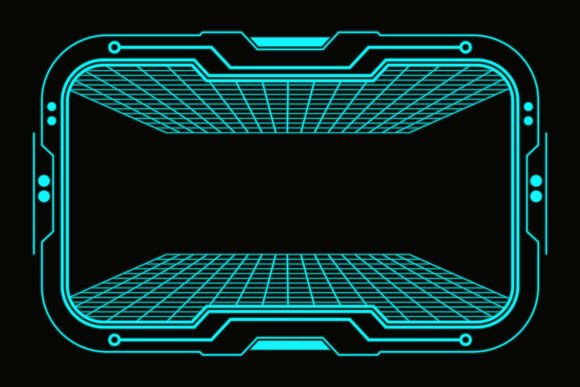
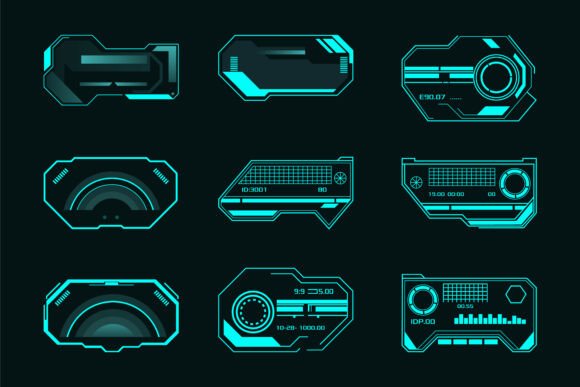
A Heads-Up Display (HUD) is more than just decorative lines and glowing frames; it is a functional layer that conveys critical information to the user. In the context of gaming and virtual reality, HUDs provide health status, navigation data, and inventory management. In business applications, they might visualize real-time analytics or system diagnostics. The High-Tech Digital HUD Interface Pack provides the raw materials to construct these layers with a cohesive, futuristic aesthetic characterized by bright blue neon frames and cyber-window elements.
When planning a project, the selection of UI assets often happens early in the pre-production phase. Choosing a comprehensive pack at this stage ensures that the visual direction remains consistent throughout development. Instead of sourcing disparate icons, buttons, and panels from various free resources—which often leads to mismatched styles and varying quality levels—using a unified pack allows for a streamlined workflow. This decision impacts the entire production timeline, reducing the time spent on asset creation and allowing teams to focus on functionality and user experience.
Integration Before Development Begins
Before writing a single line of code or modeling a 3D environment, it is essential to establish the visual grammar of the interface. The High-Tech Digital HUD Interface Pack facilitates this by offering a complete set of components that define the look and feel of the project. During the concept art and wireframing stages, designers can import these vector elements to create mockups that accurately represent the final product.
This early integration helps stakeholders visualize the end result, making it easier to secure approval and funding. It also aids in identifying potential usability issues before they become costly errors. By using the included source files, specifically the EPS format, designers can experiment with different layouts and color schemes to determine the most effective configuration for their specific audience. This proactive approach minimizes rework during the later stages of development.
Workflow Efficiency and Customization
One of the primary challenges in digital design is balancing speed with customization. Pre-made assets often come with limitations that restrict creativity, forcing designers to compromise on their vision. The High-Tech Digital HUD Interface Pack addresses this through its fully editable vector design. Unlike raster images that lose quality when resized, vector graphics maintain crisp edges and clarity at any scale. This feature is crucial for projects that span multiple platforms, from mobile devices to large-scale VR headsets.
The capability to modify every element means that the pack adapts to the unique requirements of each project. If a standard panel shape does not fit the layout, it can be reshaped. If the default bright blue neon frame clashes with the brand identity, the 100% color customizable feature allows for instant adjustment. This flexibility transforms the pack from a static template into a dynamic tool that evolves alongside the project.
Implementing Color and Style Consistency
Maintaining visual consistency across a complex interface is a significant task. When building a dashboard with dozens of windows, gauges, and indicators, ensuring that every element shares the same stroke weight, glow effect, and color palette is vital. The High-Tech Digital HUD Interface Pack simplifies this process by providing a unified library of assets. Because all elements originate from the same design system, they naturally harmonize with one another.
For teams working collaboratively, this consistency is even more important. When multiple designers contribute to a project, having a shared asset library prevents the "Frankenstein" effect, where different parts of the interface look like they were made by different people. By establishing the pack as the primary source for UI elements, teams can enforce a strict design standard, ensuring that the final output looks polished and professional.
Technical Compatibility and File Management
The technical specifications of an asset pack play a critical role in its usability within a modern workflow. The inclusion of source files in EPS format is a key advantage for professionals who work with industry-standard software like Adobe Illustrator, CorelDRAW, or Inkscape. These formats preserve the vector nature of the graphics, allowing for deep editing capabilities that are impossible with flattened image files.
Furthermore, the ease of resizing and modifying these elements makes them suitable for various output resolutions. In virtual reality and gaming, interfaces may need to render at 4K, 8K, or even higher resolutions depending on the hardware. Vector-based assets ensure that the bright blue neon frames and intricate details remain sharp regardless of the display resolution. This eliminates the need for multiple versions of the same asset, reducing file management overhead and storage requirements.
Interoperability with Game Engines and Design Tools
A common concern when purchasing design assets is how well they integrate with existing tools. The High-Tech Digital HUD Interface Pack is designed to bridge the gap between graphic design software and game engines such as Unity or Unreal Engine. Once the vector elements are customized in the design phase, they can be exported as PNG sequences or sprite sheets for implementation in the engine.
This seamless transition reduces friction in the pipeline. Developers do not have to spend time converting files or troubleshooting compatibility issues. Instead, they can import the prepared assets directly into the scene, apply shaders to enhance the neon effects, and begin programming the interactive logic. This efficiency allows for rapid prototyping and iteration, which is essential in agile development environments.
Strategic Applications Across Industries
While the High-Tech Digital HUD Interface Pack is heavily marketed towards gamers and VR developers, its utility extends to a wide range of industries. Marketing agencies can use these elements to create eye-catching presentations and promotional videos that convey a sense of innovation. Educators and trainers can incorporate them into e-learning modules to simulate technical environments, making abstract concepts more tangible for students.
Small business owners and entrepreneurs often need to present complex data in an accessible way. A futuristic interface can make dry statistics appear engaging and modern. By leveraging the customizable nature of the pack, businesses can align these tech graphics with their brand colors while maintaining a cutting-edge aesthetic. This versatility makes the pack a valuable investment for anyone looking to elevate their digital presence.
Long-Term Value and Asset Reuse
From a financial perspective, investing in a high-quality, editable asset pack offers long-term value. Unlike one-off commissions that cost significantly more, a comprehensive pack provides a library of resources that can be reused across multiple projects. As technology trends shift, the core elements of a futuristic interface often remain relevant, requiring only minor updates to stay current.
Organizing these assets properly within a digital asset management system ensures that they remain accessible for future needs. Tagging files by type, function, and modification date allows teams to quickly locate the exact component needed for a new initiative. This organizational discipline maximizes the return on investment, turning a single purchase into a recurring productivity booster.
Quality Control and Final Implementation
As the project moves toward completion, quality control becomes the focus. The clean lines and precise geometry of the High-Tech Digital HUD Interface Pack facilitate rigorous testing. Designers can easily inspect individual elements for alignment, spacing, and visual hierarchy. The ability to edit vectors allows for quick corrections if a design flaw is discovered during user testing.
Consistency in the application of effects, such as the neon glow, is also easier to manage when working from a unified source. Automated scripts or style guides can be created based on the pack's parameters, ensuring that every instance of the interface adheres to the established standard. This attention to detail contributes to a professional final product that meets the expectations of users and clients alike.
Ultimately, the High-Tech Digital HUD Interface Pack represents more than just a set of graphics; it is a strategic tool for efficient, high-quality digital production. By understanding its features and integrating it thoughtfully into the workflow, professionals can accelerate their creative processes, maintain visual integrity, and deliver superior results in the competitive fields of gaming, virtual reality, and digital design.