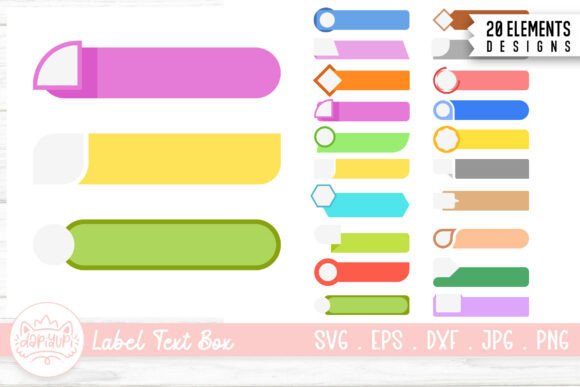
Label Text Box Elements for Infographic: Elevating Visual Storytelling
Visual communication has shifted from simple data representation to immersive storytelling. In this landscape, Label Text Box Elements for Infographic serve as the connective tissue between raw data and audience understanding. These are not merely decorative boxes; they are functional design assets engineered to hold context, highlight key metrics, and guide the viewer's eye through a complex narrative. Whether you are a marketing manager crafting a campaign report or an educator designing a classroom handout, these elements provide the structural clarity needed to make information digestible.
The versatility of these resources lies in their format availability. By offering files in SVG, EPS, DXF, PNG, and JPG, designers gain the flexibility to adapt a single concept across various mediums without losing quality. An SVG file ensures crisp lines on high-resolution digital screens, while a DXF file opens the door to physical fabrication, allowing the same graphic logic to be cut into vinyl, laser-engraved onto wood, or printed on textiles. This multi-format approach transforms a digital asset into a tangible tool for branding and communication.
Bridging the Gap Between Data and Design
At its core, the challenge with infographics is density. Too much text overwhelms the reader, but too little leaves them confused. Label text box elements solve this by creating designated zones for information. They act as visual anchors. When you integrate these Label Text Box Elements for Infographic into your layout, you are essentially building a roadmap. The background shapes draw attention, while the text areas invite the user to pause and read.
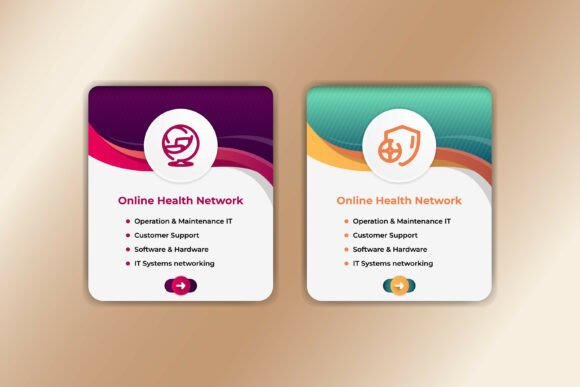
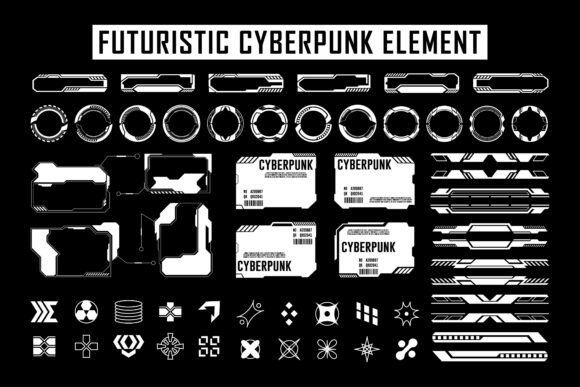
Consider a scenario where a non-profit organization needs to present annual impact statistics to donors. A wall of numbers will likely cause disengagement. However, by using distinct label boxes to isolate key achievements—such as "500 Families Fed" or "10 Miles of Clean Water Pipes"—the data becomes punchy and memorable. The design elements do the heavy lifting of categorization, allowing the donor to scan the document and immediately grasp the scale of success. The text and background provided in the preview files are placeholders, designed solely to demonstrate how the final content will sit within the shape, ensuring that when you input your actual message, it fits perfectly.
Real-World Applications Across Industries
The utility of these design elements extends far beyond standard business reports. Their adaptability makes them a staple in diverse sectors, each leveraging the tools for unique purposes.
- Education and Training: Teachers and corporate trainers often struggle to keep slides engaging. Using label text boxes allows for the creation of interactive worksheets or slide decks where concepts are broken down into bite-sized chunks. For instance, a biology teacher can use different shaped labels to distinguish between cell parts, making the diagram easier to memorize than a standard textbook illustration.
- Retail and Product Packaging: Brands frequently need to communicate features quickly on packaging. These elements can be scaled down to fit on product labels, highlighting ingredients, usage instructions, or eco-friendly certifications. The ability to print these on textile totes or mugs means the branding travels with the customer, turning a simple tote bag into a walking billboard.
- Event Planning and Wayfinding: Large events require clear signage. The clean lines and bold structures of infographic labels translate well to directional signs. Organizers can customize the text to point toward stages, food courts, or exits, ensuring attendees navigate the venue effortlessly.
- Social Media Content Creation: In the fast-scrolling environment of Instagram or LinkedIn, static images need to pop. Designers use these PNG and JPG versions to create quote cards, statistic snapshots, or step-by-step guides that encourage sharing and saves.
From Digital Screen to Physical Fabrication
One of the most significant advantages of this specific collection is the inclusion of vector formats like EPS and DXF. While many clipart sets stop at screen-ready images, these files empower users to move into the physical realm. Imagine a boutique clothing brand wanting to add a unique tag to their garments. Instead of settling for generic pre-printed tags, they can import the DXF file into cutting software to create custom-shaped labels that are then heat-pressed or embroidered onto clothes.
This capability also extends to home decor and lifestyle products. You can print these designs on bed linen, adding a personalized touch to bedroom aesthetics, or apply them to ceramic mugs for corporate gifts. The transition from a digital download to a physical object is seamless because the underlying geometry remains intact regardless of the scale. Whether you are printing a 4x6 inch card or a 4x8 foot banner, the integrity of the label text box elements holds firm.
Tailoring the Experience for Different Audiences
Different users interact with these assets based on their technical proficiency and creative goals. For the professional graphic designer, the SVG and EPS files offer infinite scalability and editability. They can change stroke weights, adjust colors to match a brand palette, and rearrange internal components without any loss of resolution. This level of control is essential for maintaining brand consistency across large-scale campaigns.
Conversely, the small business owner or hobbyist crafter might prefer the PNG or JPG options. These rasterized files are ready to drop into presentation software, photo editors, or even word processors. There is no learning curve involved; simply drag, drop, and type. This accessibility democratizes high-quality design, allowing individuals without formal training to produce professional-looking materials for their local community groups, school projects, or Etsy shops.
Strategic Considerations Before You Begin
While the potential for creativity is vast, there are practical considerations to ensure the best results. First, always evaluate the legibility of your chosen element against your intended background. If you plan to print these on patterned fabric or textured paper, ensure the label box has sufficient contrast. The preview images show neutral backgrounds specifically to help you visualize how your own text will appear, but the final output depends heavily on your color choices.
Secondly, consider the hierarchy of information. Not all labels should be the same size or style. Use larger, bolder elements for primary headlines and smaller, subtler boxes for supporting details. This visual rhythm prevents the infographic from feeling cluttered. It guides the reader naturally from the most important point to the finer details.
Finally, think about the longevity of your design. Trends in graphic design shift rapidly, but clean, functional label text boxes tend to remain timeless. Avoid over-styling the elements with effects that date quickly. Stick to solid shapes and clear typography. This ensures that whether you are printing a report today or five years from now, the visual communication remains effective and professional.
Maximizing Value Through Versatility
The true strength of Label Text Box Elements for Infographic lies in their dual nature as both digital and physical assets. By providing a suite of file types, this resource removes the friction often found in the design process. You don't need to hire a separate vendor to convert your digital mockup into a cut file for a vinyl cutter, nor do you need to redraw elements for a web banner.
Whether you are crafting a detailed market analysis, designing a new line of branded apparel, or simply trying to make a family newsletter look more polished, these elements provide the foundation. They turn abstract ideas into concrete visuals. The result is communication that is not only seen but understood. As you explore the twenty different designs included, remember that each one is a blank canvas waiting for your story. The text and background in the previews are just suggestions; the real value comes from how you adapt them to fit your unique vision and audience needs.
Happy crafting, and may your next project be as impactful as it is visually stunning.