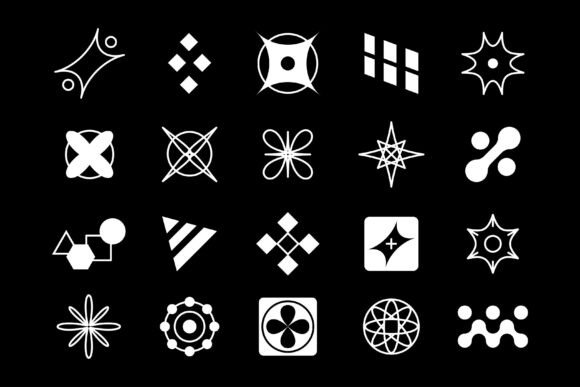
Cyberpunk HUD Elements Set Futuristic: A Practical Guide to Implementation
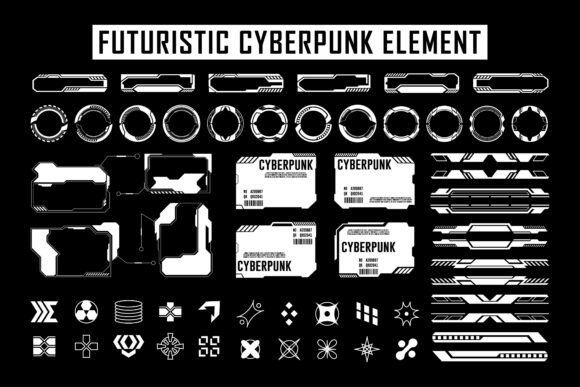
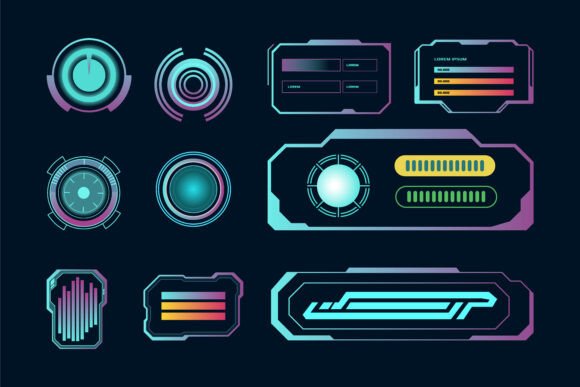
The aesthetic of the future is no longer just a concept reserved for blockbuster movies or high-end video games; it has become a tangible design language used across digital marketing, web development, and interactive media. When you encounter a Cyberpunk HUD Elements Set Futuristic, you are looking at more than just a collection of graphics. You are holding a toolkit designed to communicate complexity, speed, and advanced technology through visual cues. These interfaces, often referred to as Heads-Up Displays (HUDs), rely on geometric precision, neon color palettes, and data visualization styles that mimic the look of augmented reality overlays. For creators, entrepreneurs, and designers, integrating these elements can instantly elevate a project's perceived value, provided they are applied with intention and technical understanding.
Understanding the Value of Vector-Based Design Assets
One of the most critical aspects of this specific asset pack is its format. The set is delivered in both Vector and JPG formats, offering flexibility that many lower-quality alternatives lack. However, a common misunderstanding among beginners is assuming that the JPG files are sufficient for professional work. While raster images like JPGs are great for quick previews or low-resolution backgrounds, they lose quality when scaled up or altered. This is where the vector component becomes essential. By using a vector editing application like Adobe Illustrator, you gain the ability to modify every line, curve, and node without degrading the image quality.
This scalability is vital for modern design workflows. If you are creating a website banner, a mobile app interface, or a large-format print advertisement, the ability to resize elements without pixelation ensures your final product looks crisp on any device. The Cyberpunk HUD Elements Set Futuristic allows you to tweak colors to match your brand identity, extend lines to fit different screen ratios, or combine multiple components into entirely new compositions. Ignoring the potential of the vector files limits your creative freedom and often leads to a disjointed final presentation where elements look "stuck on" rather than integrated.
Common Pitfalls in File Management and Extraction
Before you even open your design software, there is a logistical step that frequently causes frustration: file extraction. The assets are compressed into a single ZIP file to ensure fast download speeds and organized delivery. Many users overlook the importance of properly extracting these files before attempting to use them. Simply double-clicking the ZIP file might allow you to view the contents, but it does not always make the files accessible to your operating system or design applications in the way required for smooth editing.
To avoid workflow interruptions, you should explicitly extract the archive using tools like WinZIP, WinRAR, or the built-in extraction features of your operating system. This process creates a dedicated folder containing all the individual vector and image files. Failing to do this can lead to errors where software cannot locate linked assets, resulting in broken references or missing textures. Taking the extra minute to fully unzip the content ensures that your workspace remains clean and that every element of the Cyberpunk HUD Elements Set Futuristic is ready for immediate deployment.
Avoiding Visual Clutter and Over-Design
Once the files are extracted and opened in your editor, the next challenge is aesthetic balance. The cyberpunk style is inherently dense, filled with intricate details, grid lines, and data readouts. A frequent mistake designers make is the urge to use every single element available in the set simultaneously. This approach often results in visual noise that overwhelms the user and obscures the actual message or functionality of the interface.
Effective design requires restraint. Instead of filling every corner of the screen with glowing brackets and scrolling text, select a few key elements that frame your content effectively. Think of these HUD components as architectural supports rather than wallpaper. For example, if you are designing a landing page for a tech startup, use a single corner bracket and a subtle data bar to suggest sophistication without distracting from your call-to-action button. Overloading the interface can negatively impact usability, causing users to feel disoriented rather than impressed. The goal is to enhance the communication of information, not to hide it behind layers of decoration.
Strategic Application Across Different Media
The versatility of this set extends beyond simple background decoration. Professionals in various fields can leverage these assets to solve specific communication problems. Marketers can use them to create dynamic social media posts that stand out in crowded feeds. Educators might incorporate simplified versions into presentations to explain complex technological concepts in an engaging way. Freelancers and small business owners can integrate these elements into their portfolios to signal expertise in modern digital trends.
However, context matters. What works for a dark-themed gaming website might clash with a bright, minimalist e-commerce store. Before applying the Cyberpunk HUD Elements Set Futuristic, evaluate the existing tone of your project. If your brand relies on warmth and organic shapes, forcing a rigid, neon-heavy sci-fi interface may create a disconnect with your audience. In such cases, consider modifying the color palette within your vector editor. Changing the standard electric blues and hot pinks to softer pastels or monochromatic tones can adapt the futuristic feel to fit a broader range of brand identities while retaining the structural integrity of the design.
Evaluating Quality and Compatibility
When evaluating any design asset, it is crucial to check for compatibility with your current workflow. Ensure that the vector files are saved in a version of the software you possess. Older versions of Adobe Illustrator, for instance, may struggle to open files created in the latest release, potentially stripping away effects or simplifying paths. Always verify the file specifications upon extraction. Additionally, check the resolution of the included JPGs. While they serve as useful references, relying on them for high-definition output is a recipe for disappointment.
Another overlooked detail is the organization of the layers within the vector files. Well-structured assets will have named groups and logical layer hierarchies, making it easy to isolate specific parts of the HUD. Poorly organized files can turn a simple edit into a tedious hunt through hundreds of unnamed paths. A quick inspection of the file structure before committing to a purchase or project can save hours of frustration later. If the files appear chaotic, take time to reorganize them immediately after extraction to streamline your editing process.
Maximizing Efficiency and Creative Output
The true power of the Cyberpunk HUD Elements Set Futuristic lies in its ability to accelerate your design process while maintaining high standards. By starting with pre-designed, high-quality components, you bypass the need to draw complex geometric patterns from scratch. This efficiency allows you to focus on strategy, layout, and content rather than getting bogged down in technical drawing tasks. Whether you are a hobbyist experimenting with a personal project or a professional delivering client work, having a reliable library of assets ensures consistency and speed.
To get the most out of this resource, treat it as a foundation rather than a finished product. Experiment with blending modes, opacity settings, and custom gradients to make the elements feel unique to your specific vision. Combine the HUD elements with other textures, typography, or photography to create depth and dimension. Remember that the best designs often come from the thoughtful combination of resources, not just the raw application of a template. By avoiding common pitfalls like poor file management, visual overload, and ignoring scalability, you can ensure that your final output is not only visually striking but also functionally sound and professionally polished.