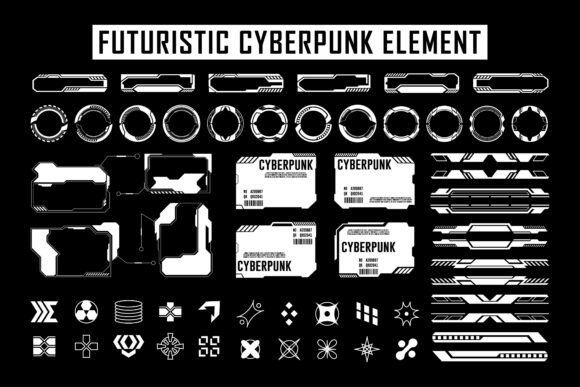
Futuristic Cyberpunk Interface High Tech: A Practical Guide to Integration
The aesthetic of Futuristic Cyberpunk Interface High Tech has evolved from a niche visual style in science fiction films into a robust toolkit for modern digital creators. This design language, characterized by neon accents, holographic overlays, and complex data visualization, offers more than just a cool look. It provides a structured framework for organizing information, guiding user attention, and creating immersive experiences. Whether you are a UI/UX designer, a video game developer, or a content creator building a brand identity, understanding how to implement these elements effectively is crucial for professional execution.
This guide moves beyond the hype to discuss the practical application of these assets. We will explore how to integrate Cyberpunk HUD elements into your existing workflows, manage file formats efficiently, and ensure that your final output maintains high standards of usability and visual consistency. By treating these design assets as functional components rather than mere decoration, you can streamline your creative process and deliver results that resonate with a tech-savvy audience.
Understanding the Role of High-Tech Interfaces in Design Workflows
At its core, a Futuristic Cyberpunk Interface High Tech system is a method of visual communication. It mimics the way advanced technology might display data to a human operator, utilizing grids, scan lines, and dynamic typography to convey urgency and precision. In a broader design process, this style fits into the conceptualization and prototyping phases. Before writing a single line of code or rendering a final scene, designers must determine how information hierarchy is established through these visual cues.
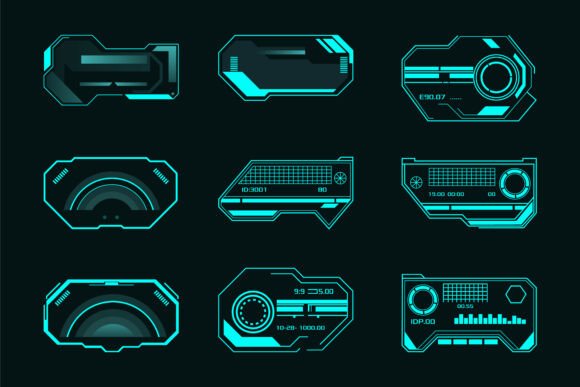
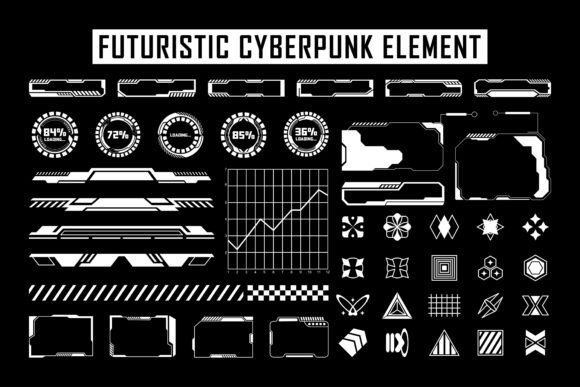
When planning a project, consider where these interfaces add value. They are particularly effective in scenarios requiring rapid data consumption, such as dashboard designs, gaming overlays, or interactive presentations. The high-contrast nature of cyberpunk aesthetics ensures that critical information stands out against darker backgrounds, reducing cognitive load for the end-user. However, integrating this style requires careful planning. It is not simply about applying a filter; it involves restructuring the layout to accommodate modular components like health bars, target reticles, and status indicators.
Before diving into the execution phase, it is essential to audit your current toolset. Since these assets often come in specific formats, ensuring compatibility with your primary software is a prerequisite for efficiency. If you are working within an ecosystem that relies heavily on vector graphics, having scalable assets is non-negotiable. This preparation stage prevents bottlenecks later in the workflow when you need to resize elements for different screen resolutions or print dimensions.
Managing Assets: From ZIP Extraction to Vector Editing
A critical step in utilizing Futuristic Cyberpunk Interface High Tech resources is proper asset management. Most professional design packs are distributed as compressed archives to save bandwidth and organize related files. You will typically receive a single ZIP file containing both vector and raster versions of the interface elements. Efficiently handling this archive is the first practical task in your implementation plan.
To begin, extract the contents of the ZIP file using standard utilities like WinZIP, WinRAR, or the built-in extraction tools found in most operating systems. Simply double-clicking the file usually triggers the extraction process, but verifying that all subfolders are correctly unpacked is a necessary quality control measure. Once extracted, you should have access to two primary file types: JPG images for quick previews or background textures, and vector files (usually AI, EPS, or SVG) for detailed editing.
The true power of these resources lies in their vector format. Using a vector editing application like Adobe Illustrator allows you to modify the design without losing resolution. This flexibility is vital for customization. You might need to change the color palette to match a specific brand guideline, extend a grid line to fit a wider screen, or isolate a specific HUD element for use in a different context. Because vectors are math-based, every curve and angle remains crisp regardless of how much you scale the element.
- Color Adaptation: Use global swatches in your vector editor to instantly update the neon blue or toxic green accents across the entire interface.
- Component Isolation: Separate individual layers to reuse specific icons or frames in other projects without redrawing them.
- Resolution Scaling: Adjust the canvas size to fit mobile, tablet, or ultra-wide monitor specifications while maintaining perfect edge definition.
Organizing these modified assets within your project folder structure is equally important. Create distinct directories for "Source Vectors," "Exported Rasters," and "Final Comps." This organization ensures that if you need to revisit the project months later, you can easily locate the editable source files rather than starting from scratch.
Integration Strategies for Creative Projects
Once your assets are prepared and organized, the next phase is integration. How does Futuristic Cyberpunk Interface High Tech interact with your specific project goals? The answer depends on the medium you are working in. For web developers, these elements might serve as CSS-styled overlays or JavaScript-driven animations. For video editors, they become motion graphics templates that enhance the narrative of a documentary or music video.
In a business context, such as a marketing campaign for a tech startup, these interfaces can be used to visualize complex data sets. Instead of a standard bar chart, a cyberpunk-style data stream can make the presentation more engaging and memorable. The key is to maintain balance. While the aesthetic is bold, it should not overwhelm the actual message. Use the high-tech elements to frame the content, drawing the eye to key metrics or calls to action without causing visual clutter.
Consider the timing of implementation. These assets are most effective when introduced during the mockup phase. By placing the interface elements over your wireframes early, you can test for readability and flow. If a particular HUD element obscures important text, it is easier to adjust at this stage than after the final render. This iterative approach aligns with agile development methodologies, allowing for continuous refinement based on feedback.
Furthermore, these interfaces interact well with other digital tools. When combined with 3D modeling software, vector HUD elements can be projected onto surfaces to create realistic augmented reality effects. In graphic design, they pair effectively with photographic backgrounds, adding a layer of synthetic realism that bridges the gap between the physical and digital worlds. The versatility of the format means that a single set of assets can support multiple outputs, from social media graphics to full-scale website headers.
Ensuring Consistency and Long-Term Usability
Sustainability in design is about creating systems that can be maintained and updated over time. When adopting a Futuristic Cyberpunk Interface High Tech style, consistency is paramount. Audiences quickly recognize patterns, and breaking those patterns can disrupt the immersion you are trying to build. Establish a style guide early in the process that defines acceptable colors, font weights, and spacing rules for these interface elements.
Efficiency also plays a role in long-term usability. If you find yourself constantly tweaking the same elements for different projects, consider creating a master template. Store your customized vector components in a library within your editing software. This allows you to drag and drop pre-approved assets into new documents, significantly reducing production time. Over time, this library becomes a valuable resource that accelerates your workflow and ensures brand cohesion across all deliverables.
Quality control extends to the technical performance of the interface. Heavy use of complex vector paths or high-resolution textures can impact loading times on websites or frame rates in games. Optimize your files before deployment. Simplify paths where possible, compress raster images without visible loss of quality, and ensure that the interaction logic behind the interface is smooth. A beautiful interface that lags or crashes defeats the purpose of the high-tech aesthetic.
Practical Implementation Tips for Professionals
For professionals looking to incorporate these elements immediately, focus on the fundamentals of composition. Start with a clean base and layer the cyberpunk elements strategically. Avoid filling every inch of the screen; negative space is just as important as the data itself. Use the glowing accents to create a visual path that leads the user through the content naturally.
Test your designs across various devices. A futuristic interface that looks stunning on a large desktop monitor may become illegible on a smartphone screen. Responsive design principles apply here as well. Ensure that your vector assets scale appropriately and that touch targets for interactive elements are large enough for mobile users. This cross-device compatibility is essential for reaching a broad audience effectively.
Finally, stay adaptable. Technology trends shift, and while the cyberpunk aesthetic has proven durable, the specific details may evolve. Keep your source files organized and up-to-date so you can pivot your design strategy if necessary. By treating Futuristic Cyberpunk Interface High Tech as a flexible component of your broader design toolkit, you position yourself to meet the demands of future projects with confidence and precision.