Futuristic HUD Frames and UI Panels: A Design Resource for Sci-Fi Interfaces
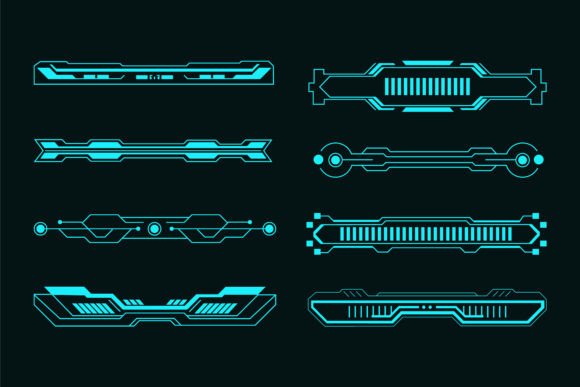
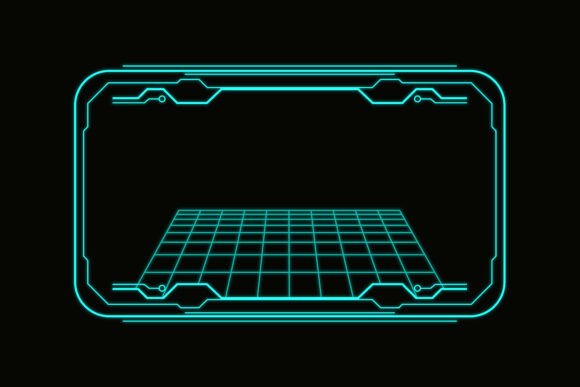
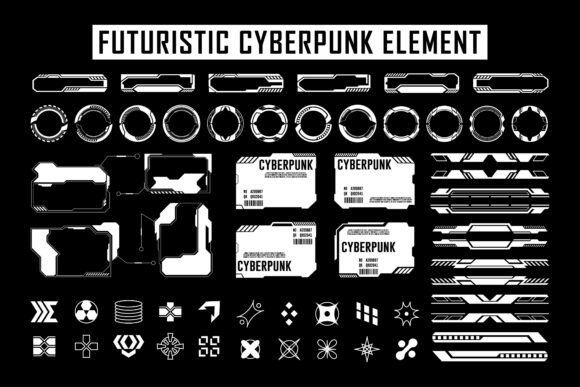
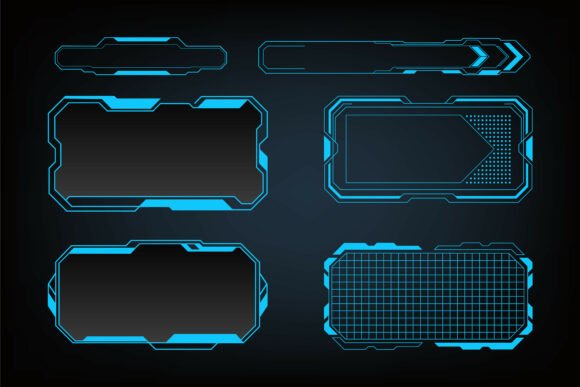
Designers working in digital interfaces, motion graphics, or sci-fi-themed visual projects often seek tools that streamline the creation of high-tech aesthetics. Futuristic HUD Frames and UI Panels is a design resource that provides a collection of interface elements styled with neon blue accents, digital display boxes, and cybernetic frame components, all designed on a dark background. It serves as a ready-to-use toolkit for those needing polished, futuristic visuals without starting from scratch.
What Is Futuristic HUD Frames and UI Panels?
Futuristic HUD Frames and UI Panels refers to a set of design assets tailored for creating high-tech user interfaces. The package typically includes:
- Neon blue interface borders
- Digital display boxes with sci-fi styling
- Modular UI panels and window frames
- Cybernetic and holographic design elements
- Dark background layouts optimized for contrast and readability
These elements are often used in concept art, UI/UX mockups, video editing, game development, and motion design projects that require a futuristic look. The designs are typically delivered as vector graphics, allowing for flexibility in customization and scalability.
Why Designers Might Consider This Resource
There are several reasons why a designer might explore Futuristic HUD Frames and UI Panels as part of their workflow:
- Time Efficiency: Pre-built UI components can significantly reduce the time needed to create complex interface designs from scratch.
- Consistency: Using a unified design system ensures visual harmony across different interface elements in a project.
- Professional Quality: These assets are often crafted by experienced designers, offering polished visuals that meet industry standards.
- Customization: With 100% color customization and editable vector formats, users can adapt the panels to match specific project themes or branding.
Key Benefits and Features
One of the standout features of this design resource is its adaptability. Each element is fully editable, allowing users to:
- Adjust colors to match project palettes
- Resize components without loss of quality due to vector format
- Modify individual design elements to suit specific interface layouts
Included source files, often in EPS format, provide access to the underlying structure of each design, making it easier to integrate into various design workflows. Whether you're working in Adobe Illustrator, Photoshop, or another vector-based application, these assets can be easily imported and adapted.
When This Resource Excels
Futuristic HUD Frames and UI Panels performs best in scenarios where:
- Visual Consistency is Key: Projects requiring a cohesive sci-fi interface, such as app mockups, game HUDs, or tech dashboards, benefit from the uniformity these panels provide.
- Speed of Execution Matters: When time is limited, having pre-designed components can accelerate the design process without sacrificing quality.
- High-Tech Aesthetics Are Required: Whether for a product demo, concept art, or a UI/UX prototype, these panels deliver a modern, digital look that aligns with cyberpunk, sci-fi, or futuristic themes.
Considerations and Tradeoffs
While Futuristic HUD Frames and UI Panels offers many advantages, there are some tradeoffs to consider before adoption:
- Design Originality: Since these are pre-made assets, they may be used in multiple projects, potentially leading to a lack of uniqueness if not customized properly.
- Learning Curve: Users unfamiliar with vector editing tools may need time to adjust and fully utilize the features of the included EPS files.
- Style Limitations: While the neon blue and dark background style is visually striking, it may not be suitable for all design contexts or brand identities.
When Alternatives May Be Worth Exploring
While this resource is effective for many use cases, certain situations may call for alternative approaches:
- Highly Custom Branding: If a project requires a completely unique interface that doesn't align with the provided design language, creating custom UI elements from scratch may be more appropriate.
- Minimalist or Realistic Styles: The neon and digital aesthetic may not align with projects that favor clean, minimal, or realistic interface designs.
- Non-Vector Workflows: Designers working in non-vector environments may find the EPS format less convenient, especially if they lack compatible software.
Practical Decision-Making Insights
Deciding whether to use Futuristic HUD Frames and UI Panels depends on several factors:
- Project Scope: For short-term or concept-driven projects, these panels can offer a quick and effective solution. For long-term or brand-specific work, deeper customization may be necessary.
- Design Expertise: Designers comfortable with vector tools will get the most value from this resource. Those new to such tools may need to invest time in learning or opt for simpler alternatives.
- Thematic Alignment: If the neon blue, sci-fi aesthetic fits the intended visual direction, these panels are a strong fit. Otherwise, exploring other UI kits or creating original assets may be better.
- Need for Customization: The ability to fully edit and adapt the panels makes them suitable for projects requiring flexibility. However, if only minor changes are needed, simpler templates may suffice.
Conclusion
Futuristic HUD Frames and UI Panels is a valuable design resource for professionals and hobbyists alike who are working on sci-fi or high-tech interface projects. Its combination of editable vector graphics, color customization, and modular design makes it a versatile option for speeding up the design process while maintaining a polished look.
However, like any design tool, it is not universally applicable. Evaluating the specific needs of your project—such as design originality, required aesthetic style, and available tools—is essential before deciding to use this resource. When aligned with the right use case, it can be a powerful asset in creating visually compelling, futuristic interfaces efficiently and effectively.