Futuristic Cyberpunk Interface Element: Redefining Sci-Fi Design in Modern Workflows
As digital design continues to evolve, the Futuristic Cyberpunk Interface Element has emerged as a powerful visual tool that blends retro-futurism with high-tech aesthetics. These interface components are not just stylistic choices—they serve practical roles in modern design projects, especially in sci-fi media, UI/UX development, and game design. Whether you're working with a Cyberpunk HUD elements set or integrating futuristic interface elements into a motion graphic, understanding their function and application can elevate your work significantly.
What Makes a Cyberpunk Interface Unique?
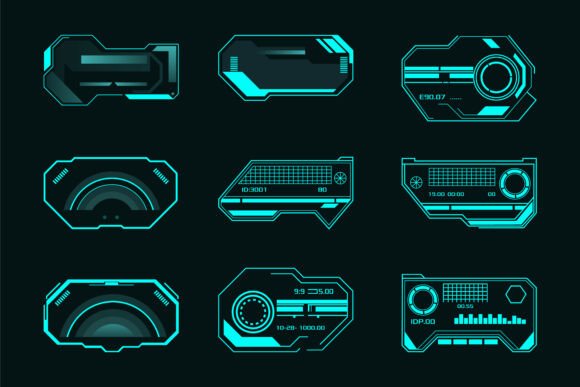
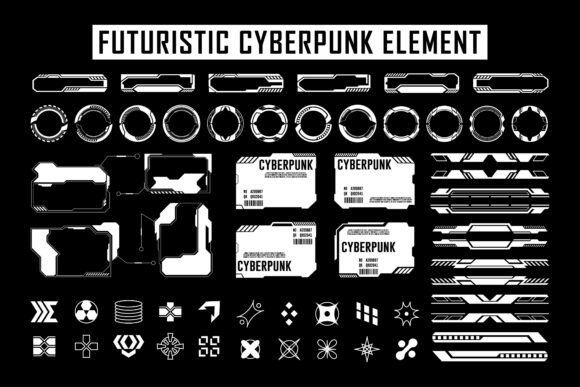
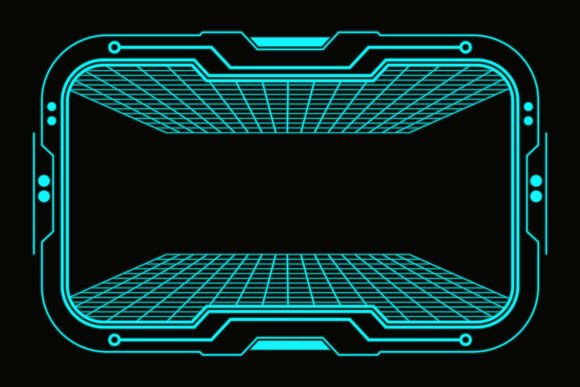
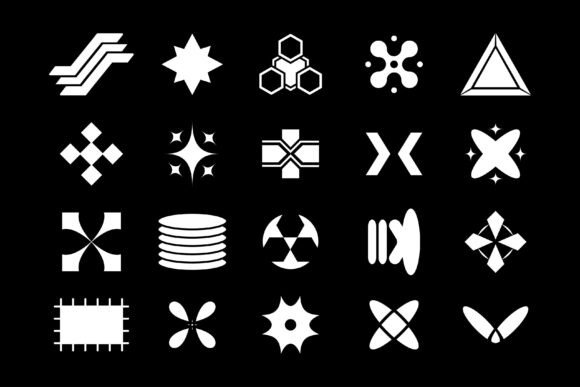
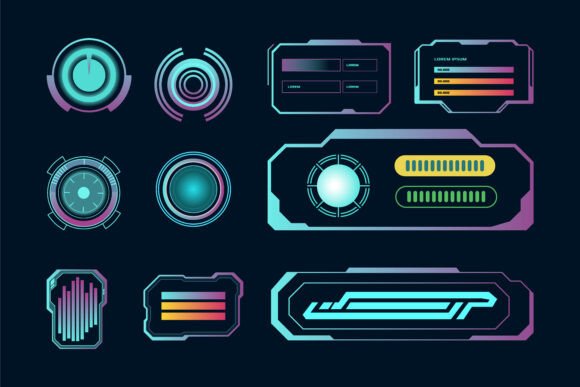
Cyberpunk interfaces are defined by their neon-infused color palettes, geometric shapes, and layered digital textures. These elements are often inspired by 80s and 90s sci-fi aesthetics but updated with sleek, high-resolution visuals suitable for today’s design standards. The Futuristic Cyberpunk Interface Element typically includes glowing panels, data readouts, holographic displays, and animated overlays that simulate advanced technology.
Designers often use these components to create immersive experiences, especially in video games, virtual reality environments, and futuristic web applications. The Cyberpunk HUD elements set includes a wide range of assets such as health bars, radar systems, targeting interfaces, and command consoles that are essential for creating believable digital worlds.
Practical Applications in UI/UX and Game Design
One of the most compelling uses of the Futuristic Cyberpunk Interface Element is in game development. Whether you're designing a sci-fi RPG or a fast-paced shooter, a well-crafted HUD (Heads-Up Display) can enhance user interaction and immersion. These interface sets often come with customizable panels, icons, and data overlays that can be easily integrated into Unity, Unreal Engine, or other game development platforms.
- Enhanced Visual Feedback: Neon-lit indicators and pulsing alerts help players quickly interpret in-game information.
- Thematic Consistency: Using a cohesive Cyberpunk HUD elements set ensures that the interface aligns with the game's overall aesthetic.
- Customizability: Vector-based designs allow for easy scaling and modification to suit different screen sizes and resolutions.
For web and app designers, these futuristic interface elements can be used to create landing pages, interactive dashboards, or promotional assets that stand out in a competitive market. The key is to balance visual flair with usability, ensuring that the design enhances rather than distracts from the user experience.
Working with Vector and JPG Files
When you purchase a Futuristic Cyberpunk Interface Element design pack, you'll typically receive both vector (AI, EPS, SVG) and high-resolution JPG files. These formats offer flexibility depending on your project's needs:
- Vector Files: Ideal for scalable graphics. You can open them in Adobe Illustrator or similar vector editing applications to resize without losing quality. This is especially useful for logos, icons, and interface panels that need to be used across various platforms.
- JPG Files: Best for quick integration into websites, presentations, or print materials. They're ready to use without needing additional software.
Before you begin editing, you’ll need to extract the files from the ZIP archive. Use a tool like WinZIP, WinRAR, or simply double-click and extract them directly through your operating system. Once extracted, organize the files by type—vectors in one folder, JPGs in another—to streamline your workflow.
Customizing Your Interface Elements
Adobe Illustrator is the most popular tool for modifying Cyberpunk HUD elements set files. With Illustrator, you can:
- Edit individual layers and components
- Adjust colors and gradients to match your project’s theme
- Combine multiple elements into a unified interface
- Export assets in various formats for different platforms
Even if you're not a seasoned Illustrator user, many design packs come with detailed instructions or grouped layers that make customization intuitive. For example, you can change the neon blue glow to a fiery red to match a dystopian setting or tweak the opacity of a data overlay to create a more subtle effect.
How to Integrate Into Real-World Projects
Whether you're designing for entertainment, marketing, or software development, the Futuristic Cyberpunk Interface Element can be a valuable asset. Here are a few practical examples:
- Video Game HUDs: Use the HUD set to create dynamic player interfaces that display health, ammo, mission objectives, and more.
- Sci-Fi Promotional Material: Incorporate interface elements into posters, trailers, or social media visuals to create a cohesive futuristic theme.
- Interactive Dashboards: Build futuristic control panels for data visualization or smart home applications.
- Augmented Reality (AR) Overlays: Apply these elements to AR interfaces to simulate advanced tech visuals.
When integrating these elements, always consider the end-user. A visually stunning interface is only effective if it supports the user’s goals and doesn't overwhelm them with unnecessary complexity. Test your designs in different contexts to ensure readability and functionality remain intact.
Choosing the Right Design Pack
Not all Cyberpunk HUD elements set are created equal. When selecting a design pack, look for the following features:
- High-Quality Assets: Ensure the files are crisp and well-organized, with clear layer structures.
- Versatile Use: Choose a set that includes a variety of interface types—radar, health bars, maps, etc.
- Compatibility: Confirm that the files are compatible with your preferred design software (e.g., Adobe Illustrator, Photoshop, Figma).
- License Type: Make sure the usage rights align with your project’s needs—personal, commercial, or redistribution.
Many designers prefer packs that offer both vector and JPG versions, giving them the flexibility to scale and adapt the graphics as needed. Always read the documentation included in the ZIP file to understand how the assets can be used and modified.
Final Thoughts on Futuristic Interface Design
The Futuristic Cyberpunk Interface Element is more than just a design trend—it’s a powerful tool for creating immersive, visually compelling digital experiences. Whether you're building a game, designing a futuristic website, or producing sci-fi content, these interface sets offer a blend of style and functionality that can elevate your work.
By understanding how to extract, edit, and integrate these elements using tools like Adobe Illustrator, you unlock a world of creative possibilities. As long as you maintain a balance between aesthetic appeal and usability, your designs will not only look futuristic but also perform effectively in real-world applications.