Futuristic HUD Interface Frame with Grid: A High-Tech Design Solution for Modern Visuals
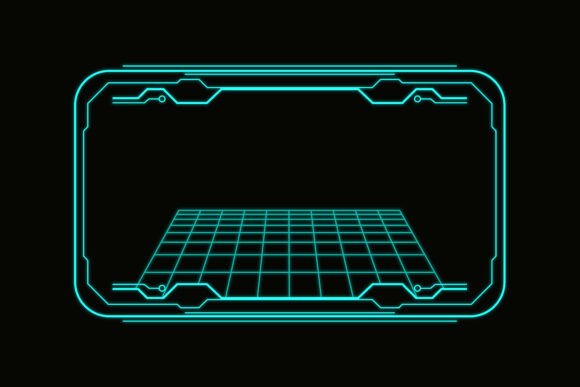
The Futuristic HUD Interface Frame with Grid is a versatile design asset that brings a sleek, sci-fi aesthetic to a variety of digital and print visuals. Designed with a neon cyan circuit-style border and a perspective grid, this interface frame offers a clean, scalable solution for creators working in gaming, streaming, UI design, and promotional materials. Built as fully editable vector artwork, it allows for seamless customization and adaptability across different platforms and use cases.
What sets the Futuristic HUD Interface Frame with Grid apart is its combination of visual appeal and technical flexibility. The neon cyan color scheme, often associated with futuristic and high-tech themes, makes it especially suitable for projects that require a modern, digital edge. Its perspective grid adds depth and structure, which can enhance layout organization and visual storytelling in presentations, overlays, and interface mockups.
Comparing Design Flexibility and Use Cases
When evaluating interface frames, designers often compare vector-based options like the Futuristic HUD Interface Frame with Grid against raster-based or pre-rendered alternatives. Vector formats provide the advantage of infinite scalability without loss of quality, making them ideal for both small UI elements and large-format posters. In contrast, raster-based frames may pixelate when scaled, limiting their adaptability across different media.
Other design frames may focus on minimalism, realism, or retro aesthetics, but the Futuristic HUD Interface Frame with Grid stands out by embracing a bold, neon-driven sci-fi style. This makes it particularly well-suited for niche markets such as gaming content, tech-related branding, and futuristic presentations where visual impact is a priority. However, for more subdued or corporate design needs, alternative frames with neutral tones and simpler borders may be more appropriate.
Strengths and Tradeoffs of the Futuristic HUD Interface Frame
One of the core strengths of the Futuristic HUD Interface Frame with Grid is its ease of customization. Thanks to global swatches and organized, labeled layers, users can quickly adjust colors, grid angles, and border thickness to match specific design requirements. This level of control is especially valuable for designers who need to maintain brand consistency or adapt visuals for different platforms.
Additionally, the package includes multiple file formats—AI, EPS, SVG, PDF, PNG, and JPG—ensuring compatibility with a wide range of design software and output needs. Whether creating a Twitch overlay, a YouTube banner, or a sci-fi themed presentation, this frame offers the flexibility to integrate smoothly into various workflows.
However, there are tradeoffs to consider. While the neon cyan aesthetic is visually striking, it may not align with every project’s tone or brand identity. Designers working on historical, minimalist, or natural-themed content may find the sci-fi style too specific or difficult to integrate. Furthermore, while the vector format allows for clean edits, users unfamiliar with vector software may experience a learning curve when customizing the layers.
Best Fit Scenarios for Futuristic HUD Interface Frame with Grid
The Futuristic HUD Interface Frame with Grid excels in environments where a high-tech, futuristic look is desired. It works exceptionally well for:
- Gaming and Streaming Overlays: Enhancing Twitch or YouTube visuals with a cohesive, energetic interface that aligns with gaming culture.
- UI and Dashboard Mockups: Providing a structured layout for app interfaces, control panels, and data visualization dashboards.
- Event Posters and Banners: Offering a dynamic backdrop for tech conventions, sci-fi movie promotions, or digital art exhibitions.
- Social Media Graphics: Creating engaging thumbnails and promotional images that stand out with a modern, digital aesthetic.
In these contexts, the frame’s neon border and perspective grid contribute to a sense of depth and motion, which can enhance user engagement and visual clarity. However, for more traditional or formal design applications—such as legal documents, academic reports, or heritage branding—the futuristic style may feel out of place or overly stylized.
When to Consider Alternatives
While the Futuristic HUD Interface Frame with Grid offers a compelling design solution, it's not always the best fit. Users who require a more neutral or adaptable visual style may benefit from exploring simpler vector frames, flat design templates, or customizable UI kits that offer broader stylistic flexibility. Additionally, those working primarily in print media with limited color palettes may find the neon cyan tones challenging to reproduce accurately.
Another consideration is the learning curve associated with vector editing. While the Futuristic HUD Interface Frame with Grid comes with organized layers and global swatches, users who are more comfortable with basic image editors may prefer pre-designed templates that require minimal customization. In such cases, ready-made Photoshop or Canva templates could offer a more accessible alternative, even if they lack the scalability of vector formats.
Practical Comparisons and Realistic Examples
Consider a scenario where a streamer wants to update their overlay visuals. The Futuristic HUD Interface Frame with Grid would allow them to create a consistent, high-tech aesthetic across their streaming panels and alerts. In contrast, using a generic rectangular frame without a grid or neon border may result in a less dynamic and visually engaging layout.
Similarly, a designer working on a tech startup’s pitch deck might use the Futuristic HUD Interface Frame with Grid to create a modern, forward-looking presentation. Compared to a standard PowerPoint border or a minimalist line frame, the neon cyan design adds a level of visual interest that can help emphasize innovation and cutting-edge technology.
However, if the same designer were working on a healthcare brochure, the futuristic aesthetic might not align with the content’s tone. In that case, a simpler, more professional frame with muted colors and clean typography would likely be a better choice.
Making an Informed Design Choice
Selecting the right interface frame depends on several factors, including the project’s theme, the target audience, and the intended medium. The Futuristic HUD Interface Frame with Grid is a strong contender when the goal is to convey a sense of modernity, energy, and technological advancement. Its vector-based format ensures high-quality results across scales, and its neon cyan design makes it stand out in visually driven environments.
However, it's important to weigh the benefits against potential limitations. If the design context calls for subtlety, neutrality, or compatibility with traditional formats, alternative frames may offer better results. By evaluating the strengths, tradeoffs, and ideal use cases of the Futuristic HUD Interface Frame with Grid, designers can make more informed decisions that align with both their creative vision and practical needs.