Futuristic HUD Frame Sci-Fi Interface: What You Need to Know Before You Buy or Use
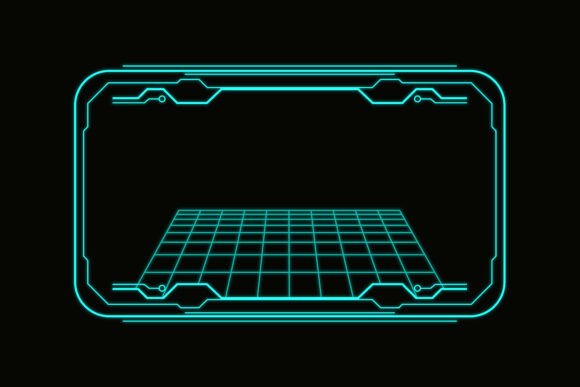
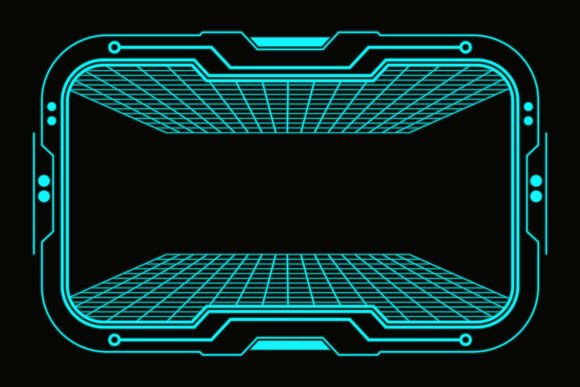
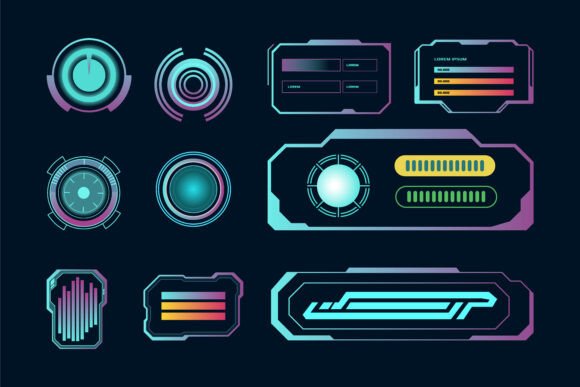
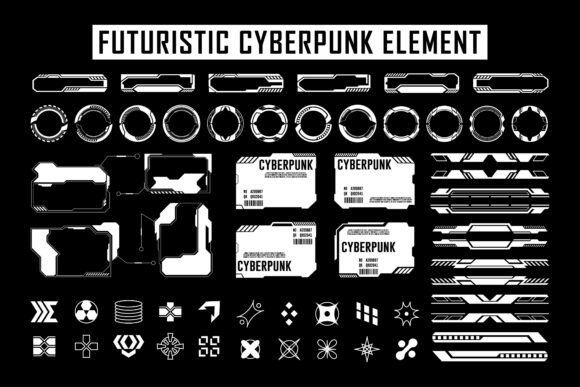
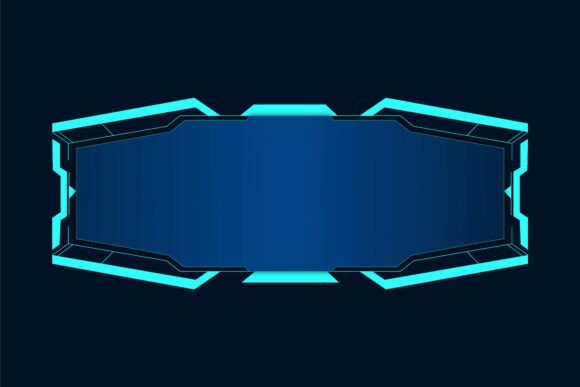
If you've ever watched a sci-fi movie and found yourself captivated by the glowing panels, floating data displays, or interactive tech windows, you've seen a HUD—Heads-Up Display—in action. The Futuristic HUD Frame Sci-Fi Interface brings that same sleek, high-tech aesthetic into your digital projects. Whether you're a graphic designer, content creator, or marketer, this design asset can elevate your visuals with its modern, cyberpunk-inspired look. But like any digital product, it's easy to make missteps when selecting or using it—especially if you're new to the world of UI templates or vector graphics.
Understanding the Futuristic HUD Frame Sci-Fi Interface and how to use it effectively is key to avoiding frustration and wasted time. Let's walk through some of the most common mistakes people make and how you can avoid them.
Mistake 1: Assuming All Sci-Fi UI Kits Are the Same
One of the biggest misunderstandings is that all sci-fi interface templates are interchangeable. While many look similar at first glance, the Futuristic HUD Frame Sci-Fi Interface stands out because it's fully editable and vector-based. This means you can scale it without losing quality and tweak colors, shapes, and layout elements to suit your specific project.
Some users download what they think is a versatile UI kit, only to find out later that it's made of static images or locked layers. That's why it's essential to check if the product includes source files like EPS and whether it's truly customizable. The Futuristic HUD Frame Sci-Fi Interface gives you full control, which is a major advantage if you're planning to use it across different platforms or for varying design purposes.
Mistake 2: Not Understanding File Formats and Compatibility
Another common issue arises when users download the Futuristic HUD Frame Sci-Fi Interface but can't open or edit the files. Vector formats like EPS are ideal for scalability and quality, but they require compatible software such as Adobe Illustrator or free alternatives like Inkscape. If you're unfamiliar with vector editing tools, you may find yourself stuck trying to resize or recolor the design.
Before purchasing or downloading, make sure you have the right software to work with EPS files. If you're not comfortable with vector graphics yet, consider starting with tutorials or opting for a more beginner-friendly format—though you'll sacrifice some flexibility in return.
Mistake 3: Overlooking Color Customization Options
The Futuristic HUD Frame Sci-Fi Interface is advertised as 100% color customizable, which is great for branding or thematic consistency. However, some users overlook this feature and use the default neon blue palette without adjusting it to match their project's color scheme.
This can lead to mismatched visuals or a design that doesn't stand out as intended. For example, if you're designing a dark-themed dashboard or a futuristic game interface, sticking with the default blue may not complement the surrounding elements. Taking the time to adjust colors ensures your interface blends well with the rest of your content and conveys the intended mood.
Mistake 4: Resizing Without Understanding Vector Properties
One of the key benefits of the Futuristic HUD Frame Sci-Fi Interface is that it's easy to resize without quality loss. However, some users mistakenly treat it like a raster image and stretch it in non-vector-friendly programs, leading to pixelation or distortion.
To avoid this, always resize within a vector editing tool. If you're placing the design into a different software (like Photoshop or After Effects), make sure you're working with the vector layer intact. This preserves clarity and ensures your interface looks sharp on any screen size.
Mistake 5: Using It Without Understanding the Context
While the Futuristic HUD Frame Sci-Fi Interface looks stunning, it's not always the right choice for every project. Some users apply it to presentations, websites, or marketing materials where a more minimalist or traditional design would be more appropriate.
For example, using a neon blue cyber frame in a corporate finance report may come off as unprofessional. On the other hand, using it in a sci-fi game interface or a tech-related infographic can make your content more engaging and visually cohesive. Always consider the context and audience before applying any design template.
What to Check Before You Download or Buy
Before you commit to using the Futuristic HUD Frame Sci-Fi Interface, there are a few key points to verify:
- Source Files Included: Make sure EPS or other editable formats are part of the package.
- Customization Options: Confirm that you can change colors, resize elements, and modify layout components.
- Software Compatibility: Ensure the files are compatible with the design tools you currently use or are willing to learn.
- Usage Rights: Check if the license allows for commercial use, especially if you're creating content for clients or selling digital products.
How to Get the Most Out of Your Sci-Fi Interface Design
Once you've confirmed that the Futuristic HUD Frame Sci-Fi Interface is a good fit for your needs, here are some practical tips to make the most of it:
- Start with a Clear Purpose: Know what you're designing for—whether it's a UI mockup, a video game HUD, or a digital dashboard. This helps guide your customization choices.
- Experiment with Layering: Use multiple frames or combine them with other UI elements to create depth and interactivity.
- Test on Different Backgrounds: Since the design works best on dark backgrounds, test it against different shades to see how it affects readability and contrast.
- Keep It Organized: Rename layers, group elements logically, and save variations of your edits so you can reuse them efficiently.
Final Thoughts
The Futuristic HUD Frame Sci-Fi Interface is more than just a flashy design—it's a powerful tool that can enhance your digital projects when used correctly. By avoiding common mistakes and understanding the features it offers, you can ensure your work looks professional, functions well, and aligns with your creative goals.
Whether you're a seasoned designer or just starting out, taking the time to learn how to use this interface effectively will save you frustration and help you create stunning, high-quality visuals that stand out.