Understanding Tooth Color Level Vector Illustration: A Practical Guide for Designers and Professionals
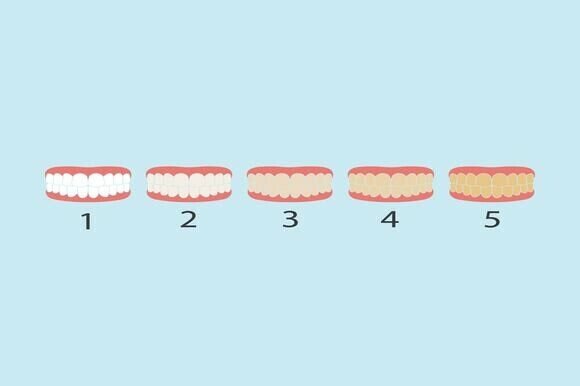
The tooth color level vector illustration is a specialized design tool used primarily in dentistry, graphic design, and digital media. It visually represents different levels of tooth whiteness using a standardized scale, often based on systems like the Vita Classical or Vita Bleachedguide. These illustrations are created using vector graphics software, allowing for scalability without loss of quality. Whether you're a dental professional educating patients or a designer working on a visual project, understanding how to effectively use and interpret these illustrations can be valuable.
Why Professionals Seek Tooth Color Level Vector Illustrations
There are several reasons why someone might search for or use a tooth color level vector illustration. Dentists and orthodontists often use these visuals to help patients understand the potential outcomes of whitening treatments. Marketing professionals in the oral care industry may use them in promotional materials to demonstrate product effectiveness. Additionally, graphic designers working on educational or medical content may integrate these illustrations to enhance clarity and engagement.
One of the primary benefits of using vector-based illustrations is their adaptability. Unlike raster images, vectors can be resized infinitely without pixelation, making them ideal for use in various formats—from printed brochures to high-resolution digital displays. This flexibility is especially important when presenting a range of color levels that need to remain accurate and consistent across different media.
Benefits of Using Tooth Color Level Vector Illustrations
- Precision: Vectors allow for exact replication of tooth color shades, ensuring consistency in professional and educational settings.
- Customizability: Designers can easily adjust colors, labels, and layout elements to match branding or clinical standards.
- Scalability: These illustrations maintain clarity at any size, making them suitable for both small infographics and large posters.
- Professional Presentation: High-quality visuals enhance credibility in both clinical and marketing contexts.
Considerations and Potential Tradeoffs
While tooth color level vector illustrations offer many advantages, they are not always the best solution for every situation. For example, creating a detailed and accurate illustration from scratch requires time and design expertise. Those without access to vector graphic software or design skills may need to purchase or commission illustrations, which can add to project costs.
Additionally, while digital illustrations can be highly accurate, they are still representations and may not perfectly match real-world conditions. Lighting, screen calibration, and print color accuracy can all affect how the color levels are perceived. Therefore, it's important to pair these visuals with real-world examples or calibrated references when high accuracy is required.
When a Tooth Color Level Vector Illustration Is the Right Choice
This type of illustration is particularly useful in the following scenarios:
- Dental Education: Helping patients understand the range of tooth colors and the expected results of whitening procedures.
- Marketing Materials: Illustrating the effectiveness of whitening products in brochures, websites, or advertisements.
- Training and Instruction: Supporting dental students or professionals in learning how to evaluate tooth color accurately.
- Digital Applications: Incorporating scalable visuals into apps or online tools that guide users through tooth color selection or treatment planning.
If your goal is to communicate tooth color levels clearly and consistently across multiple platforms, investing in a well-designed tooth color level vector illustration is likely a strong fit.
When to Consider Alternatives
Despite their benefits, there are situations where alternatives might be more appropriate:
- Photographic Images: Real photographs of actual tooth color samples may offer a more authentic representation, especially for in-person consultations.
- Physical Shade Guides: In clinical settings, physical shade guides like the Vita Classical guide are often preferred for direct comparison with a patient's teeth.
- Interactive Tools: For digital applications, interactive sliders or augmented reality features may offer a more engaging user experience than static illustrations.
If your project requires high realism or tactile interaction, consider supplementing or replacing vector illustrations with these alternatives.
How to Evaluate and Select a Tooth Color Level Vector Illustration
When choosing or creating a tooth color level vector illustration, consider the following factors:
- Accuracy: Ensure the illustration aligns with recognized tooth color scales, such as those from Vita or other dental standards.
- Clarity: The illustration should be easy to read and interpret, with clearly labeled color levels.
- Compatibility: Confirm that the file format (e.g., SVG, EPS, PDF) is compatible with your intended use and software tools.
- Customization Options: If you need to adjust colors or layout, make sure the illustration is provided in an editable format.
- Usage Rights: Verify whether the illustration is free to use, requires attribution, or needs to be purchased for commercial use.
For those without design experience, purchasing pre-made illustrations from reputable design marketplaces or dental education providers can be a practical option. Always review sample files and user feedback before making a purchase.
Conclusion: Is a Tooth Color Level Vector Illustration Right for You?
A tooth color level vector illustration is a powerful tool for professionals who need to communicate tooth color levels clearly and consistently. It offers precision, scalability, and adaptability, making it ideal for educational, marketing, and digital applications. However, it's important to weigh the benefits against potential limitations such as design complexity, cost, and the need for real-world accuracy.
If your work involves explaining or demonstrating tooth color variations, especially in a digital or scalable format, this type of illustration is likely a valuable asset. On the other hand, if tactile comparison or real-time interaction is more critical, alternative tools may better suit your needs. By understanding your specific requirements and the available options, you can make an informed decision that supports your professional goals.